Platform Overview
Zenoti is a comprehensive technology solution designed to streamline business operations for spas, salons,
and wellness centers. The platform addresses critical challenges in managing appointments, inventory, customer
relationships, and multi-location operations.
Built as a data-driven platform, Zenoti enables real-time insights and efficient management across all
aspects of hospitality business operations, from booking management to comprehensive reporting and analytics.
B2B Platform
SaaS
Hospitality Industry
01
The Outcome
Soon after launch, Zenoti achieved market leader status and became a unicorn startup within years of
operations.
The platform's success demonstrates the power of user-centered design in solving complex business challenges.
By focusing on intuitive interfaces and comprehensive functionality, Zenoti transformed how hospitality
businesses operate globally.
The data-driven approach enabled efficient real-time insights, tackling operational challenges across store
management, booking systems, invoicing, and business analytics.
64%
App Booking Preference
"Heights anticipates doubling our size in the next several years, and it's really important for us to have a
software platform that is scalable. Zenoti offers the most robust software to meet our growth needs. That's why
we chose Zenoti over other vendors, and we've achieved a 58% growth in online bookings over a period of six
months."
Shane Evans — Founder & President, Massage Heights
02
Problem Statement
🎯
Complex Booking Process
Customers experienced difficulty selecting services, stylists, and time slots through
cumbersome multi-step interfaces that led to abandoned bookings.
🔄
Fragmented Operations
Businesses relied on multiple disconnected tools for inventory, billing, appointments,
and employee management, creating operational inefficiencies.
📊
Limited Analytics
Lack of real-time insights prevented data-driven decision making and optimal business
performance across multiple locations.
03
Design Process
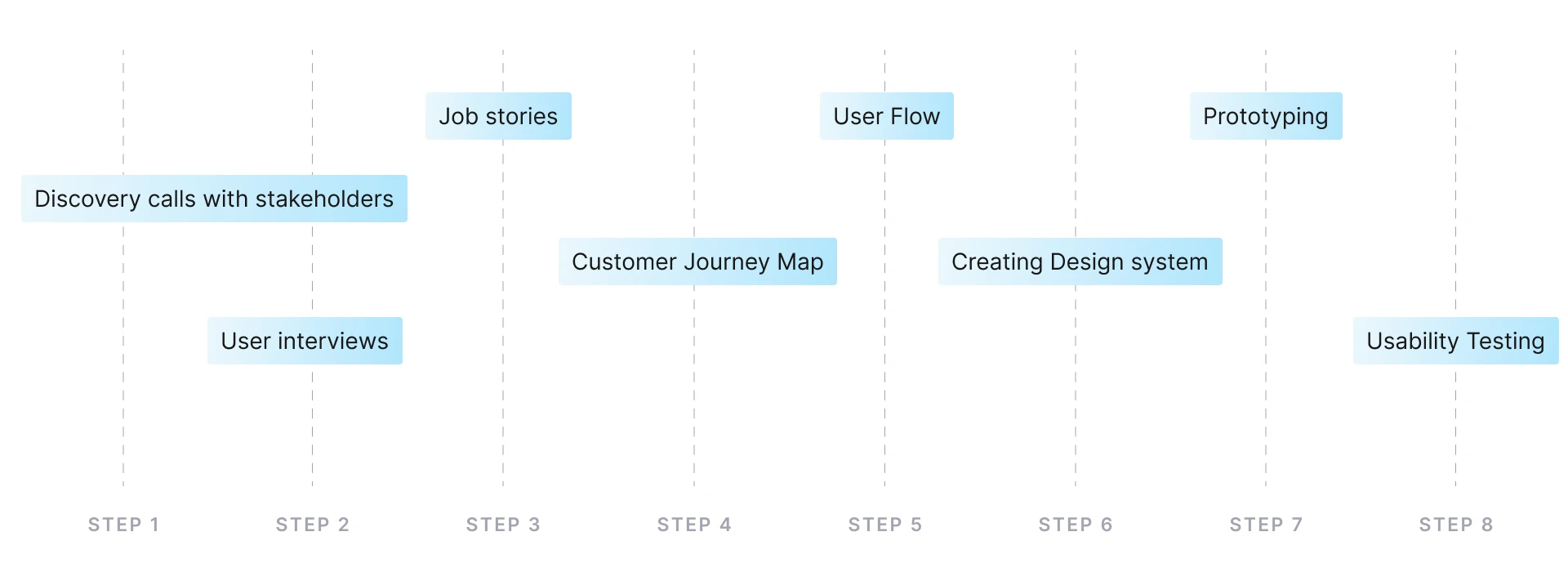
Design Thinking Approach
The project followed a comprehensive design thinking methodology, beginning with extensive user research and
stakeholder interviews to understand pain points and requirements.
Through iterative prototyping and usability testing, the design evolved to address core user needs while
maintaining business objectives and technical feasibility.
04
Research Insights
🔍
Inventory Transparency
90% of users desired access to inventory information prior to visits to make informed
decisions and avoid unnecessary appointments.
📅
Booking Management
Users struggled with managing bookings for multiple services, locations, and bulk
reservations across different business verticals.
💳
Invoicing Complexity
Manual invoicing processes created confusion and operational overhead, with users
mixing up billing across different services.
04.5
Design Phase
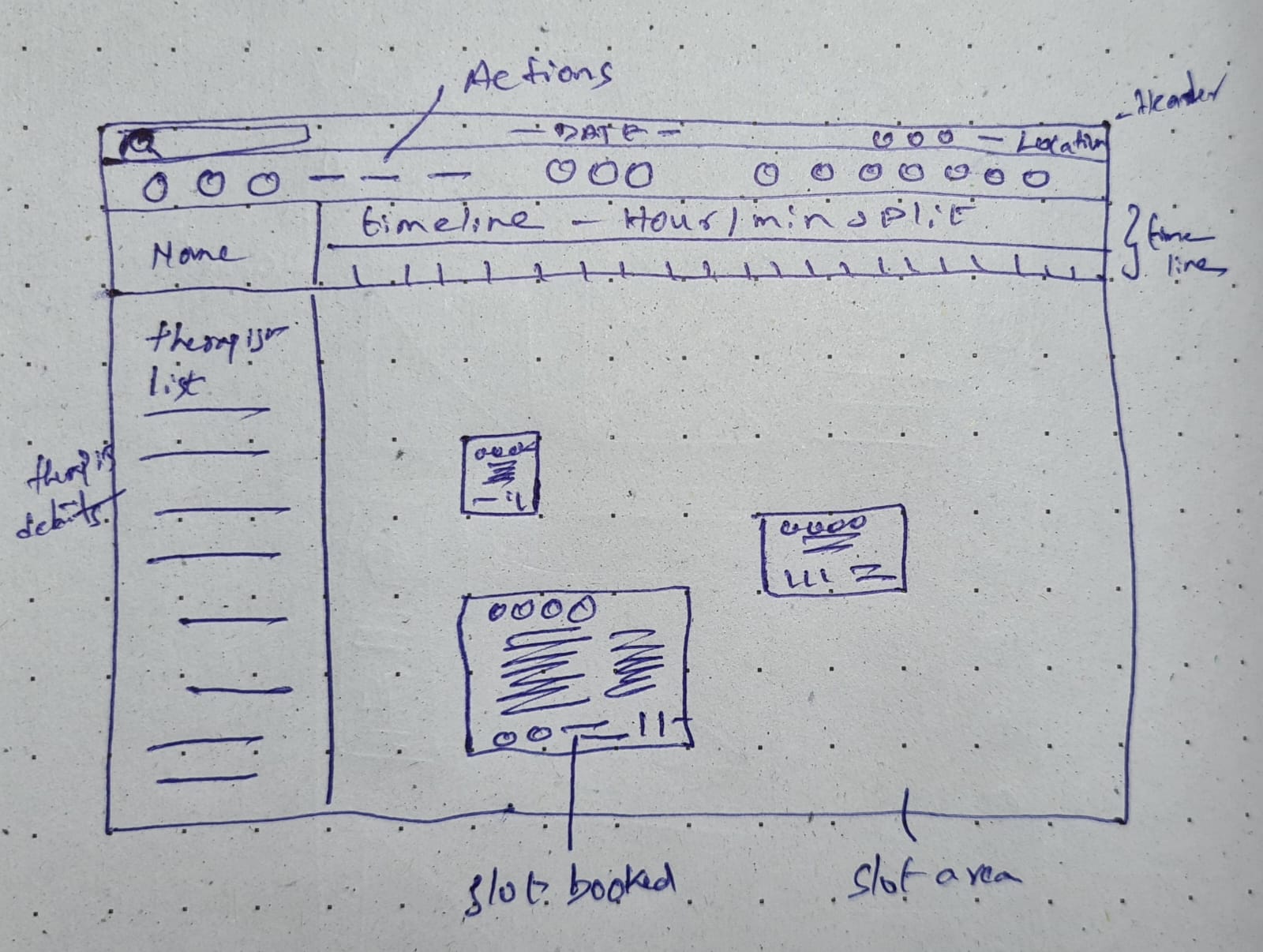
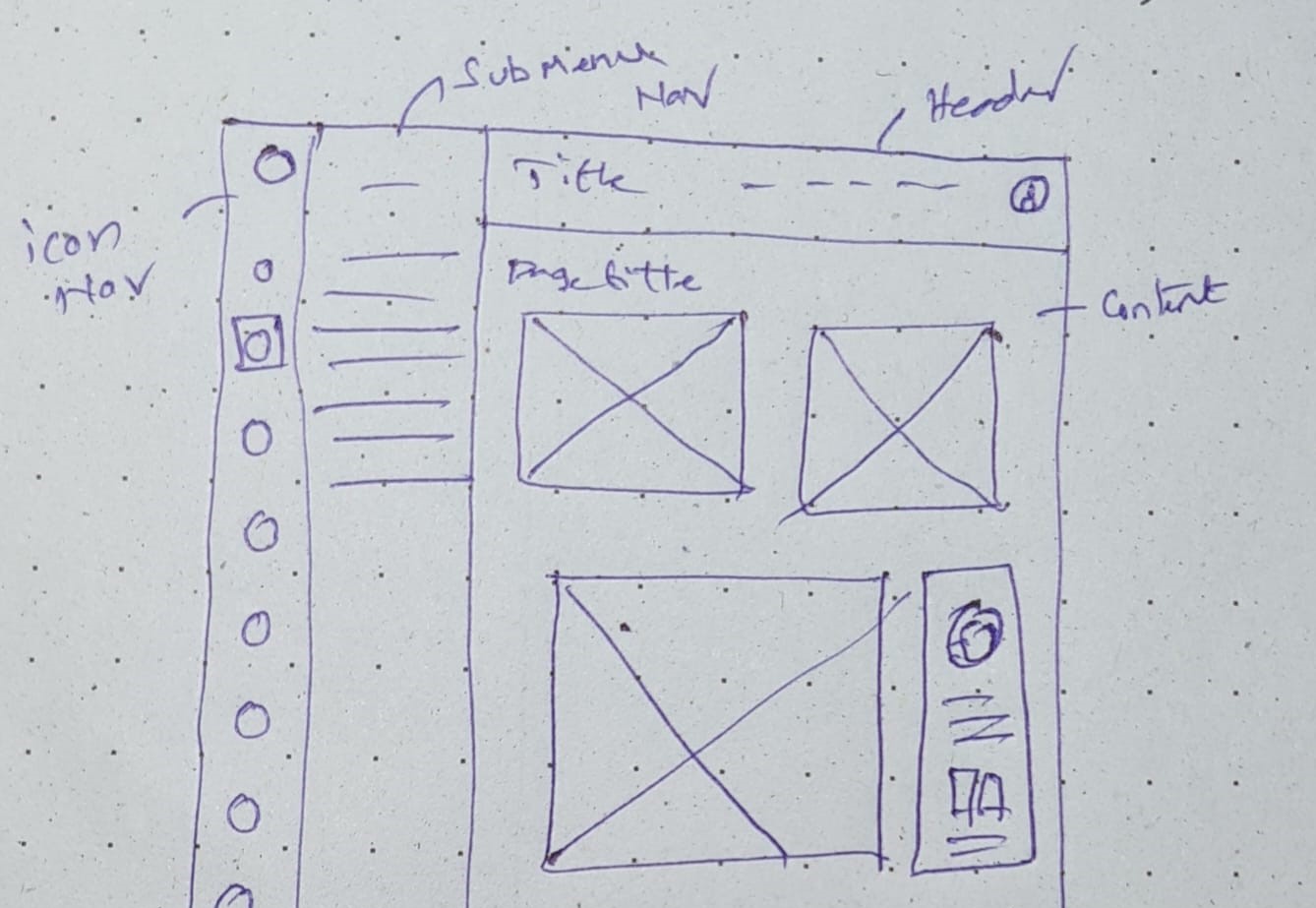
Sketches
The design phase focused on intuitive interface design, seamless navigation, and thoughtful incorporation of
user feedback. Initial concepts were explored through paper sketches.
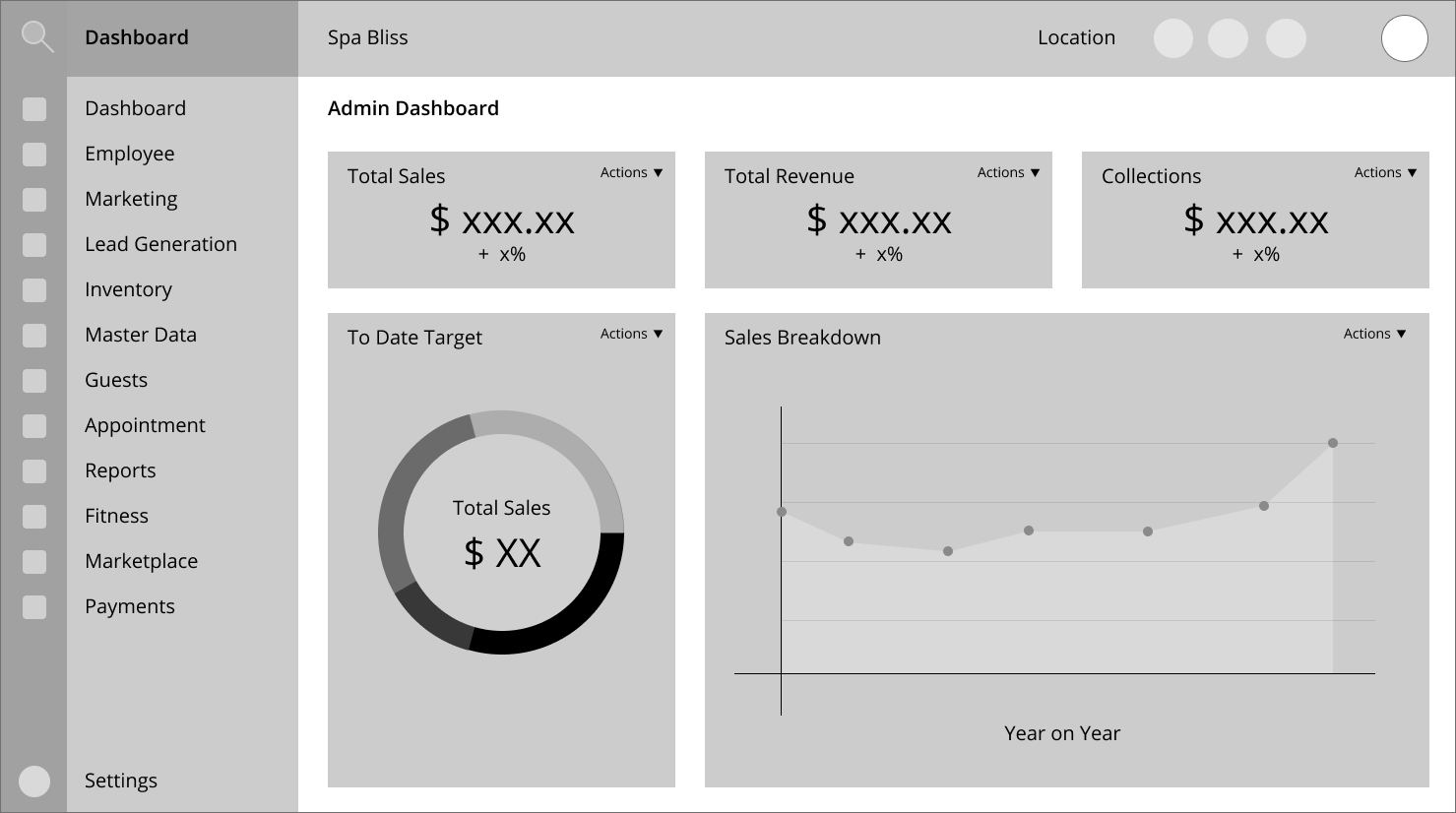
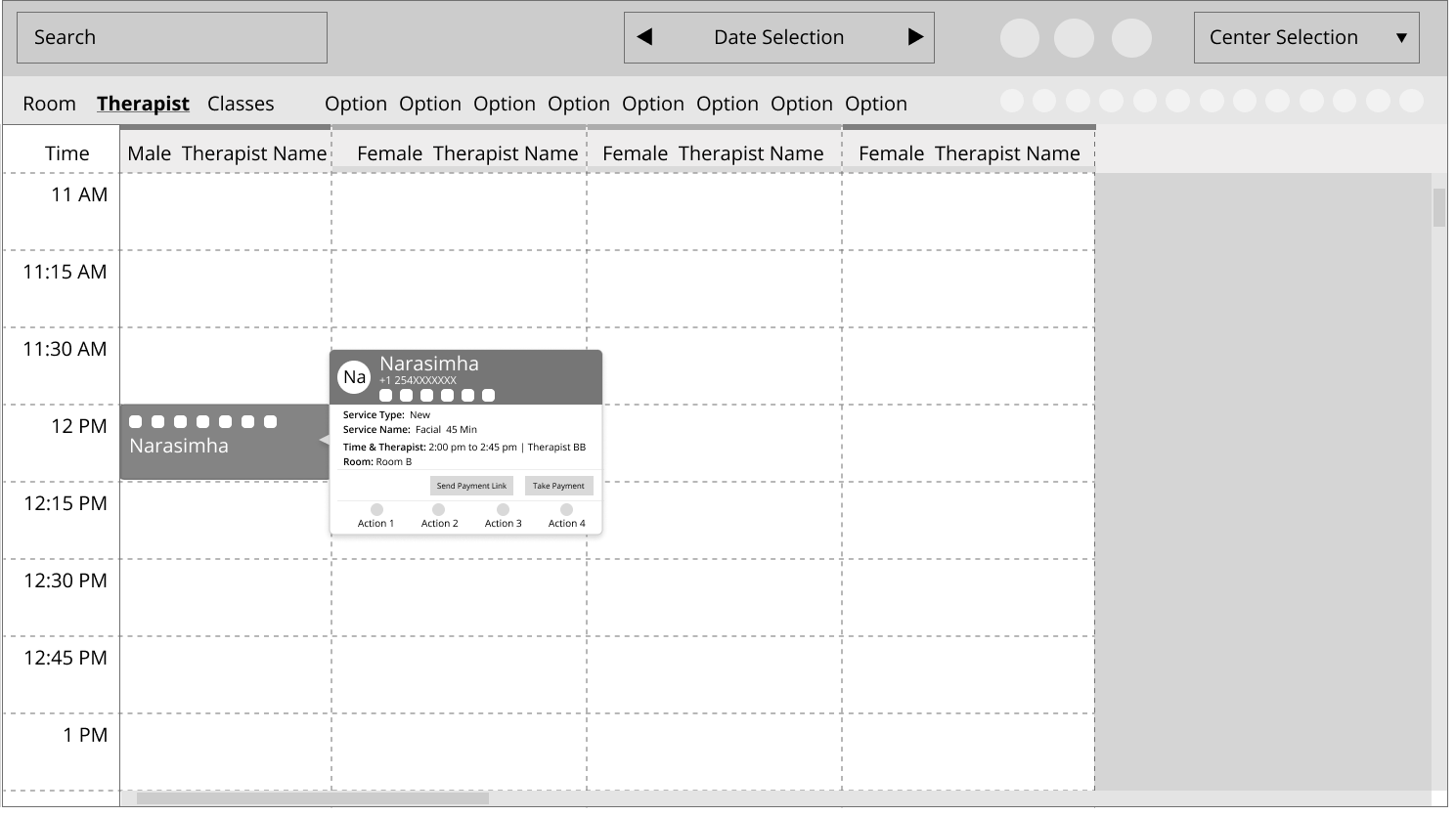
Low & Hi-Fidelity Wireframes
Wireframes evolved from low-fidelity concepts to high-fidelity mockups through iterative testing and client
feedback.
05
User Personas
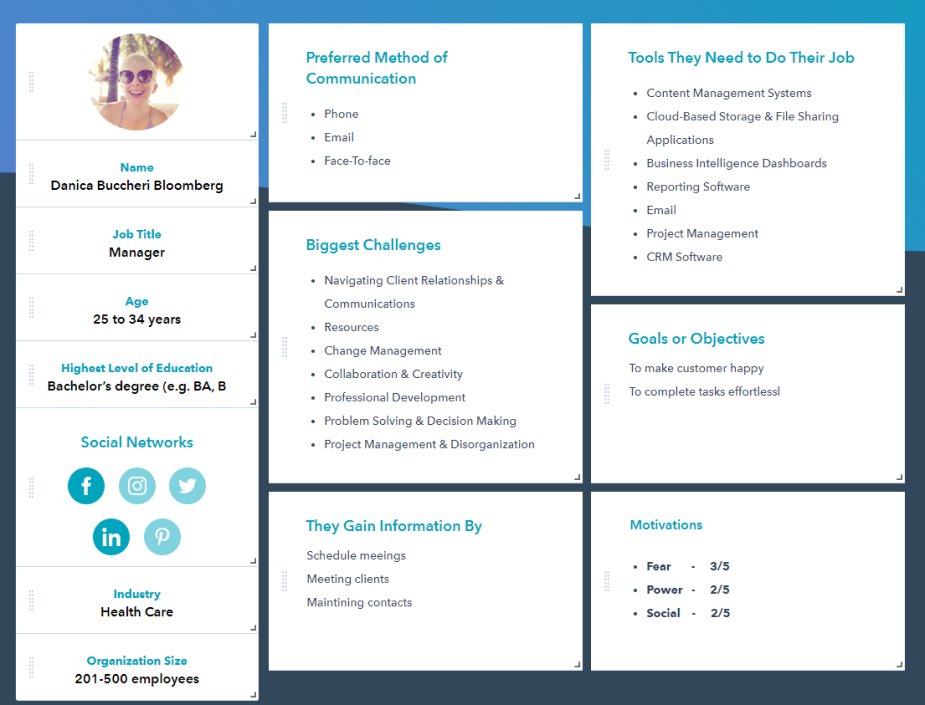
Danica - Store Manager: With extensive industry experience across multiple roles, Danica
represents the primary user persona managing daily operations, staff coordination, and customer experience.
Her workflow involves shift management, inventory oversight, appointment scheduling, and ensuring smooth daily
operations across all business functions.
06
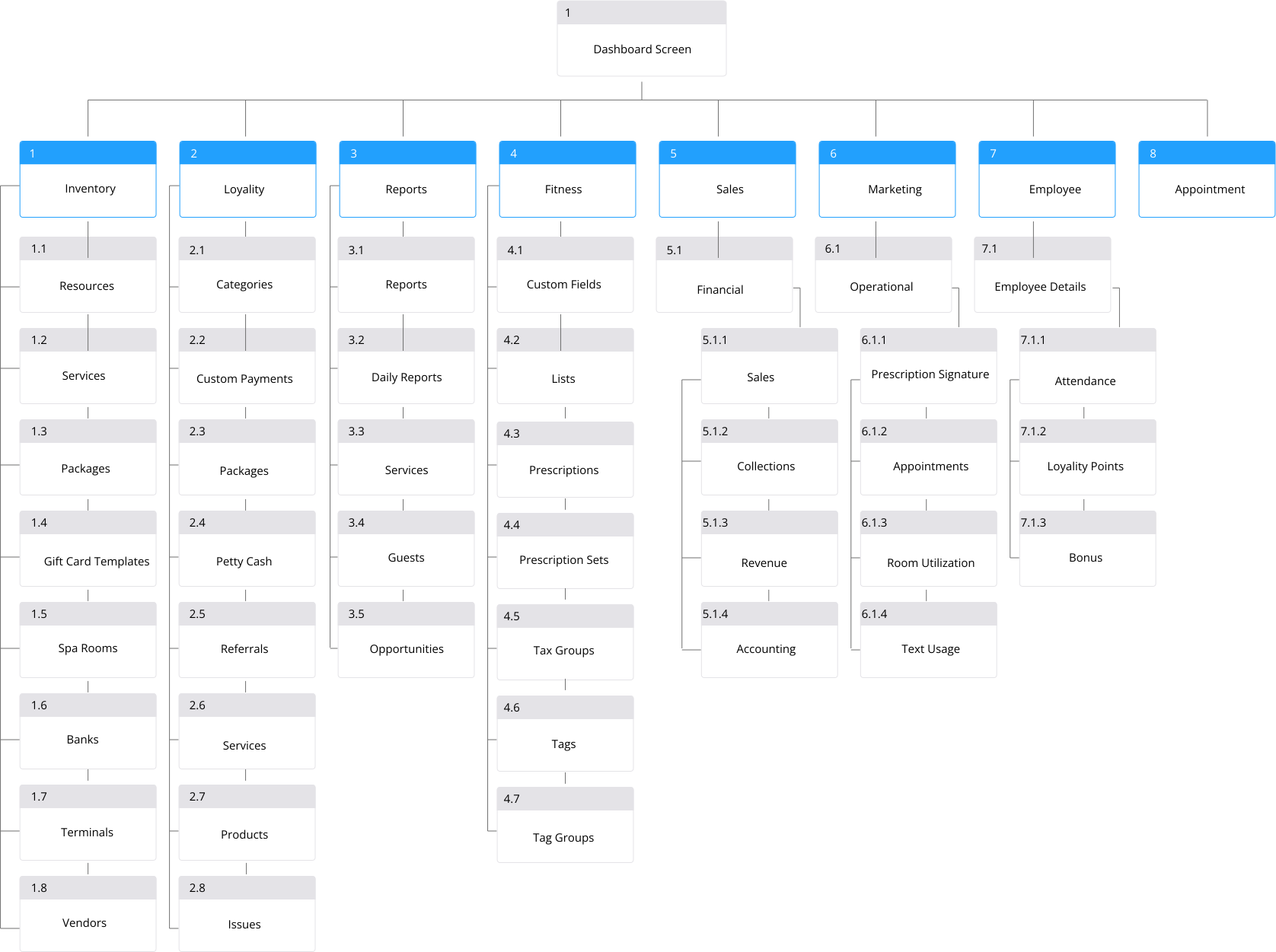
Information Architecture
The platform's information architecture was built on comprehensive site mapping, prioritizing user workflows
and business processes. Priority levels were established through user research and task analysis.
The hierarchical structure ensures intuitive navigation while supporting complex multi-location operations and
comprehensive business management features.
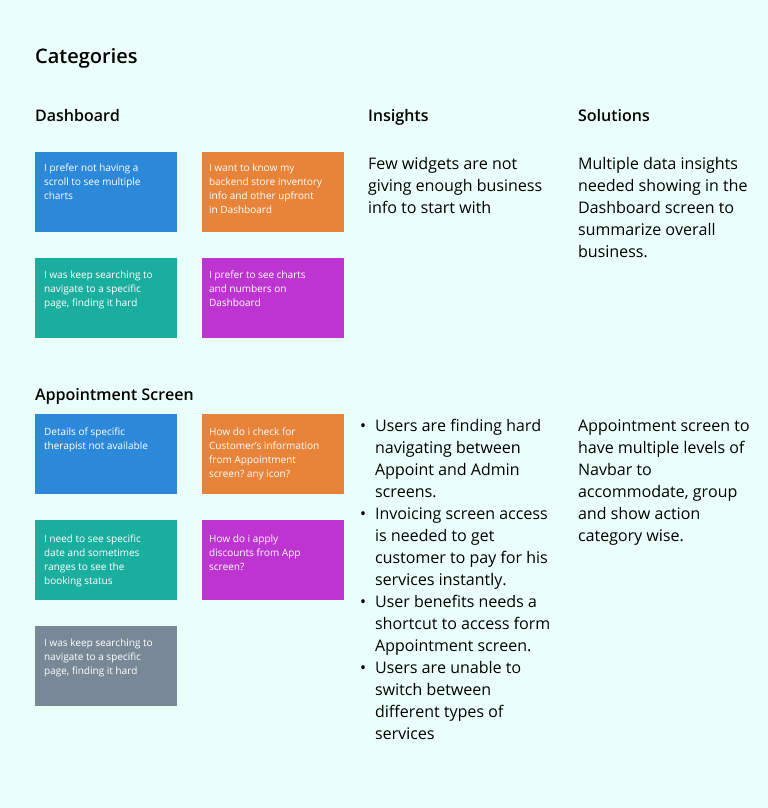
Affinity Mapping
With each iteration, feedback was synthesized through affinity mapping to identify patterns and key pain
points, guiding design improvements.
07
Final Designs
After extensive usability testing and iterations, the final designs focused on three key improvements:
- Reduced Information Overload - Simplified interfaces with manageable data chunks
- Enhanced Visual Clarity - Clear navigation and intuitive user flows
- Optimized Discoverability - Easy access to features and comprehensive functionality
Style Guide
Brand design was developed concurrently with wireframe iteration, including logo concepts and brand
requirements gathered from the client.
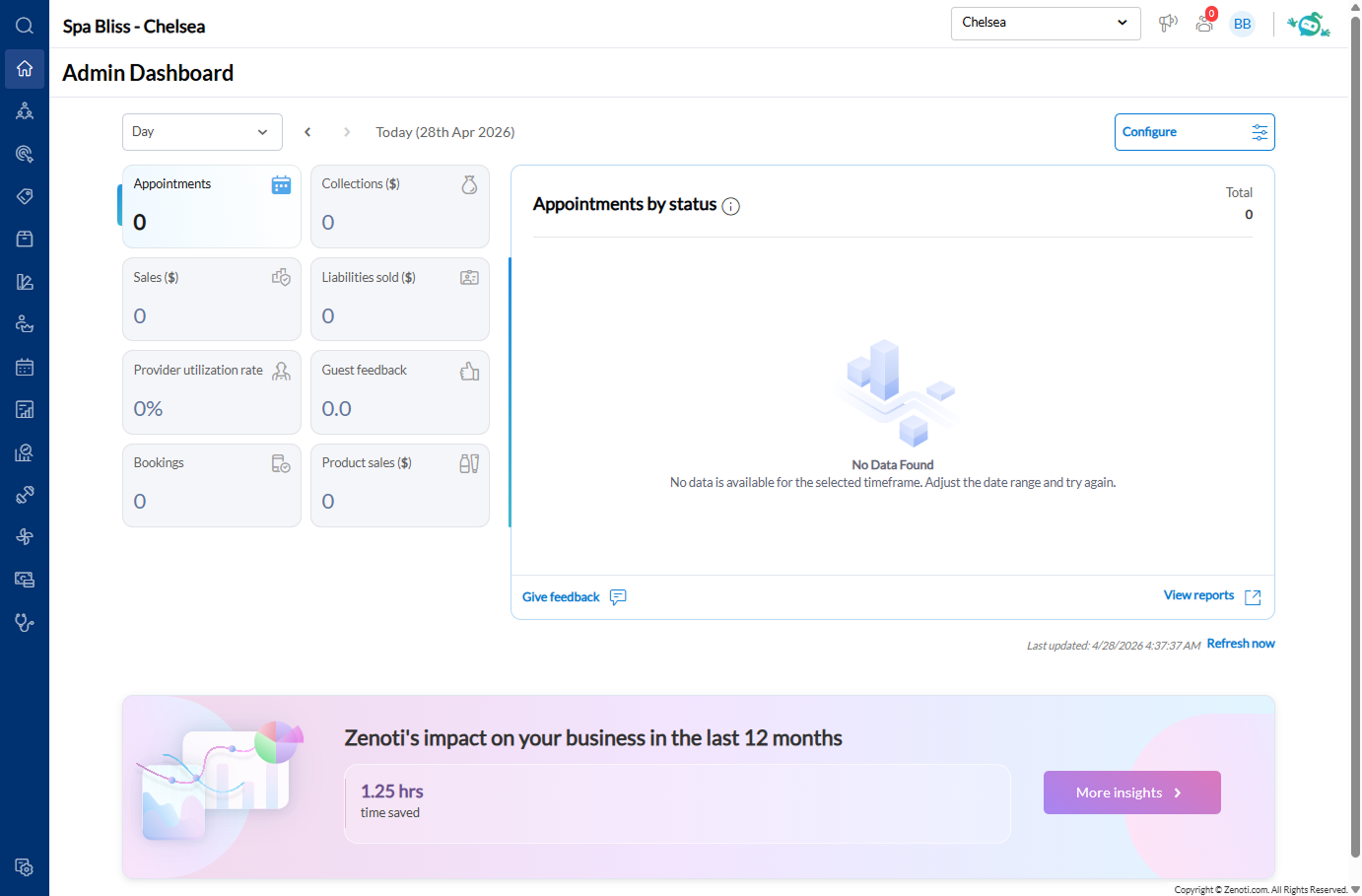
📊
Admin Dashboard
Comprehensive business metrics and planning tools for effective operational management
and strategic decision making.
📈
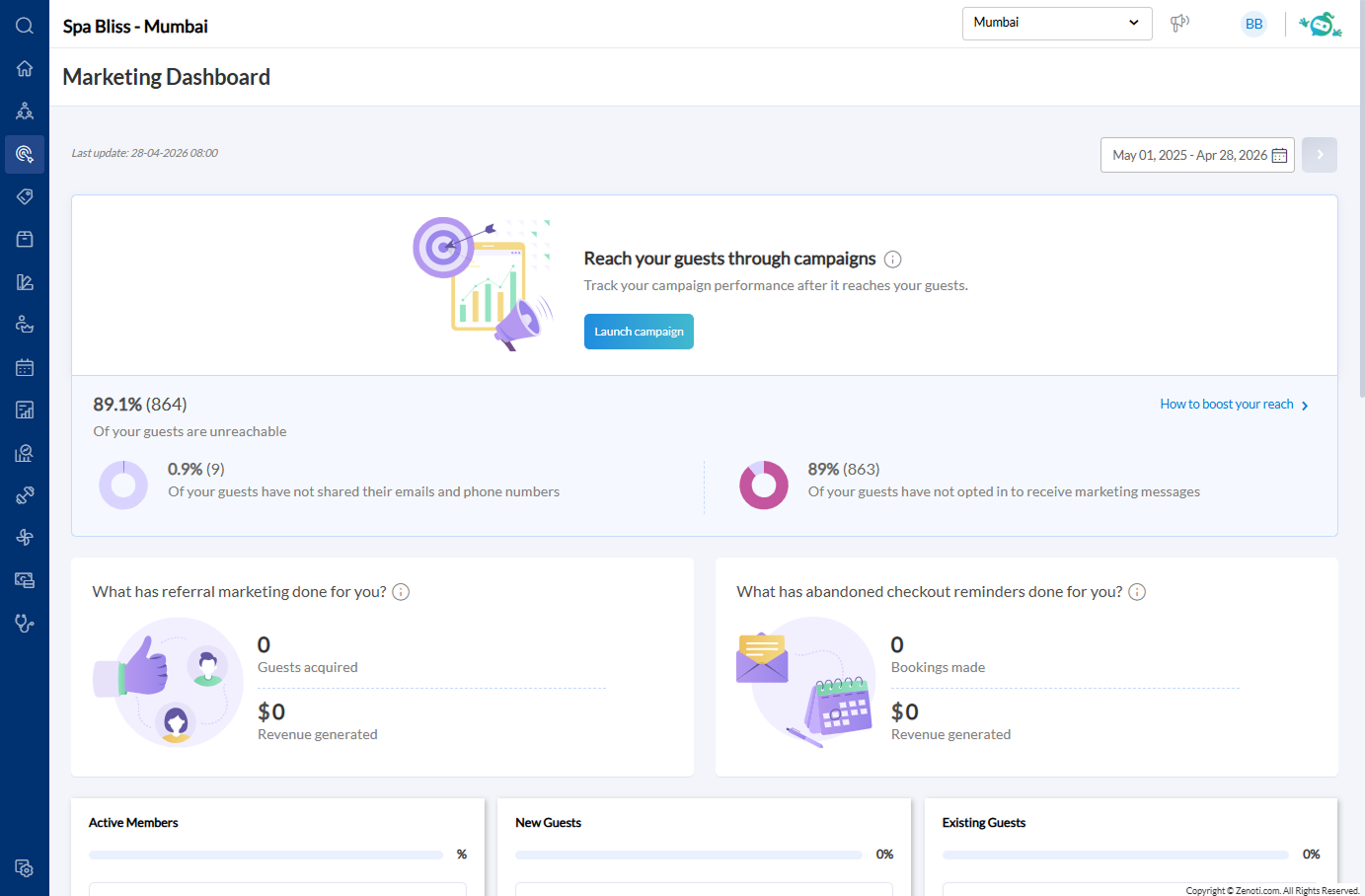
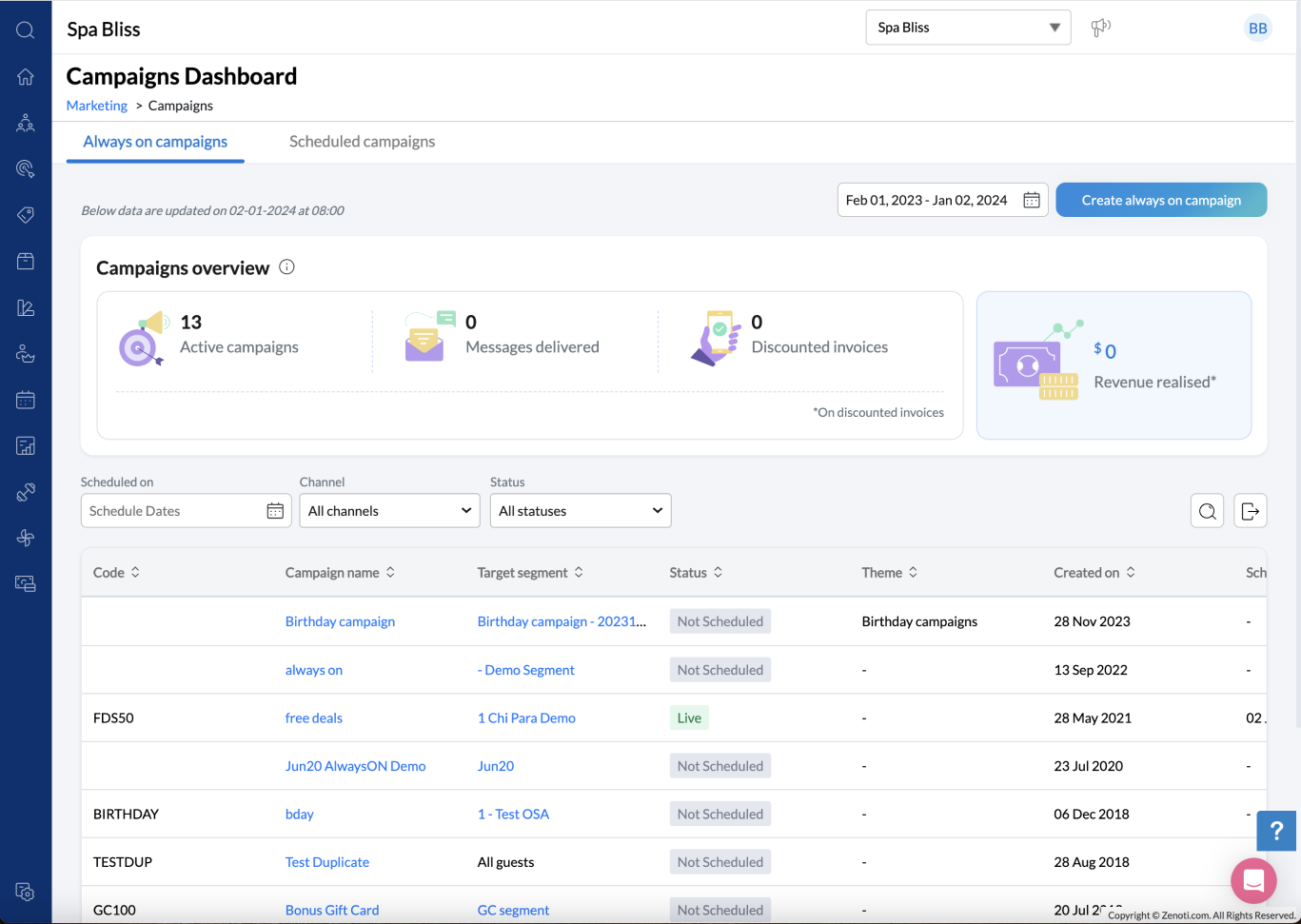
Marketing Dashboard
Centralized marketing tools and campaign management to boost business reach and
customer engagement.
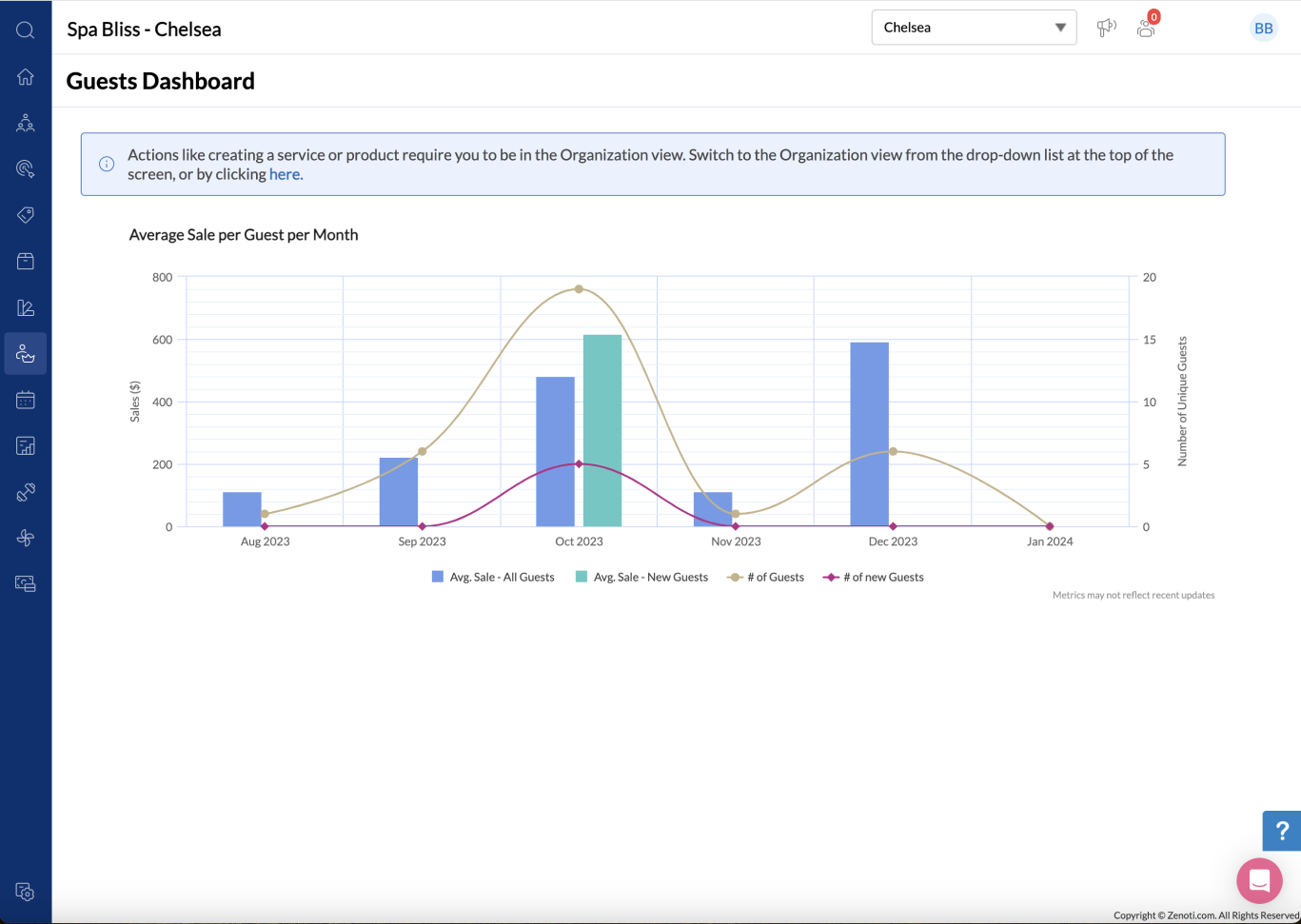
👥
Guest Management
Detailed customer profiles and booking management for personalized service delivery
and relationship building.
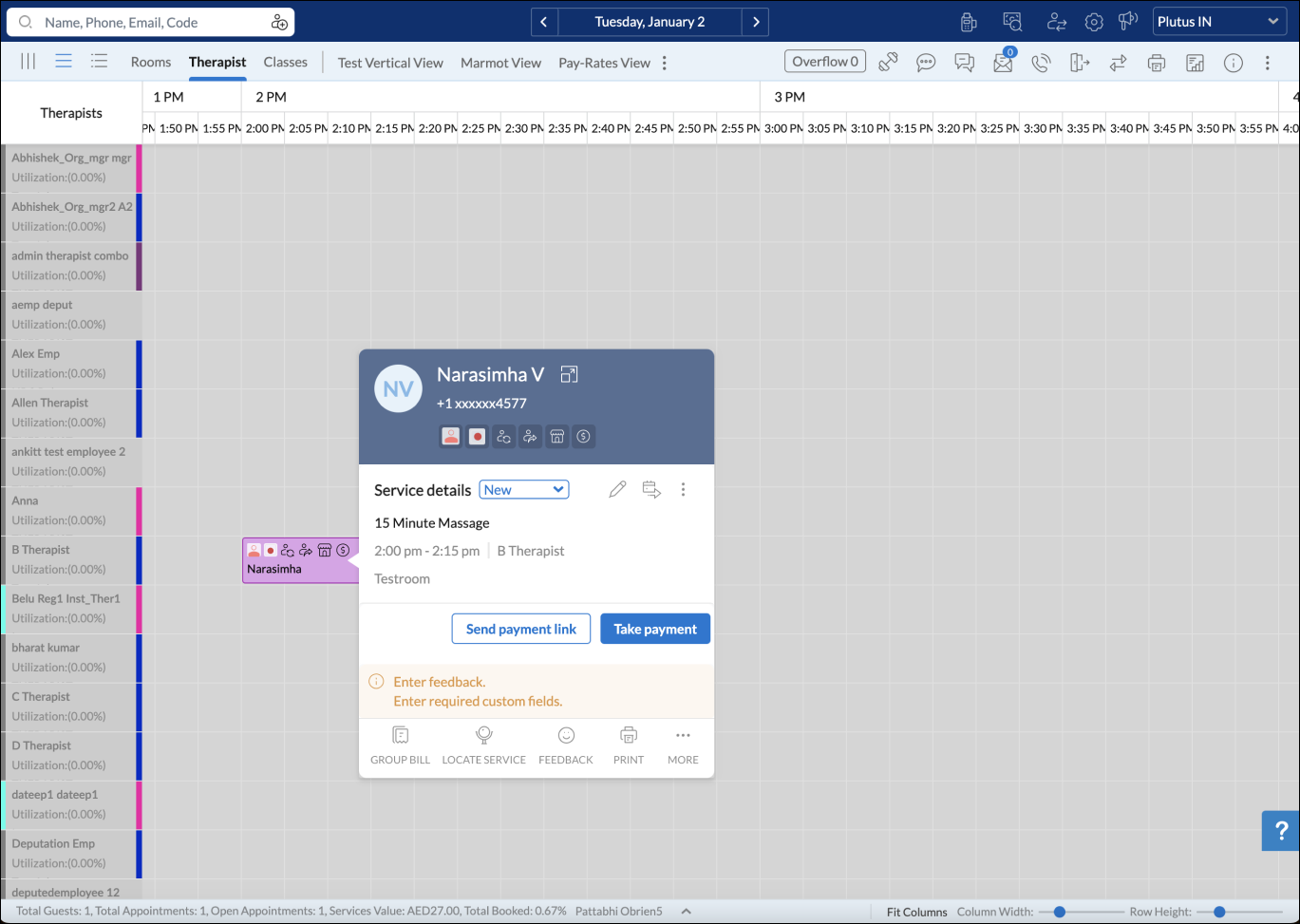
📅
Appointment Scheduler
Live booking system supporting single and bulk appointments with real-time
availability and conflict resolution.
Brand Identity
Logo
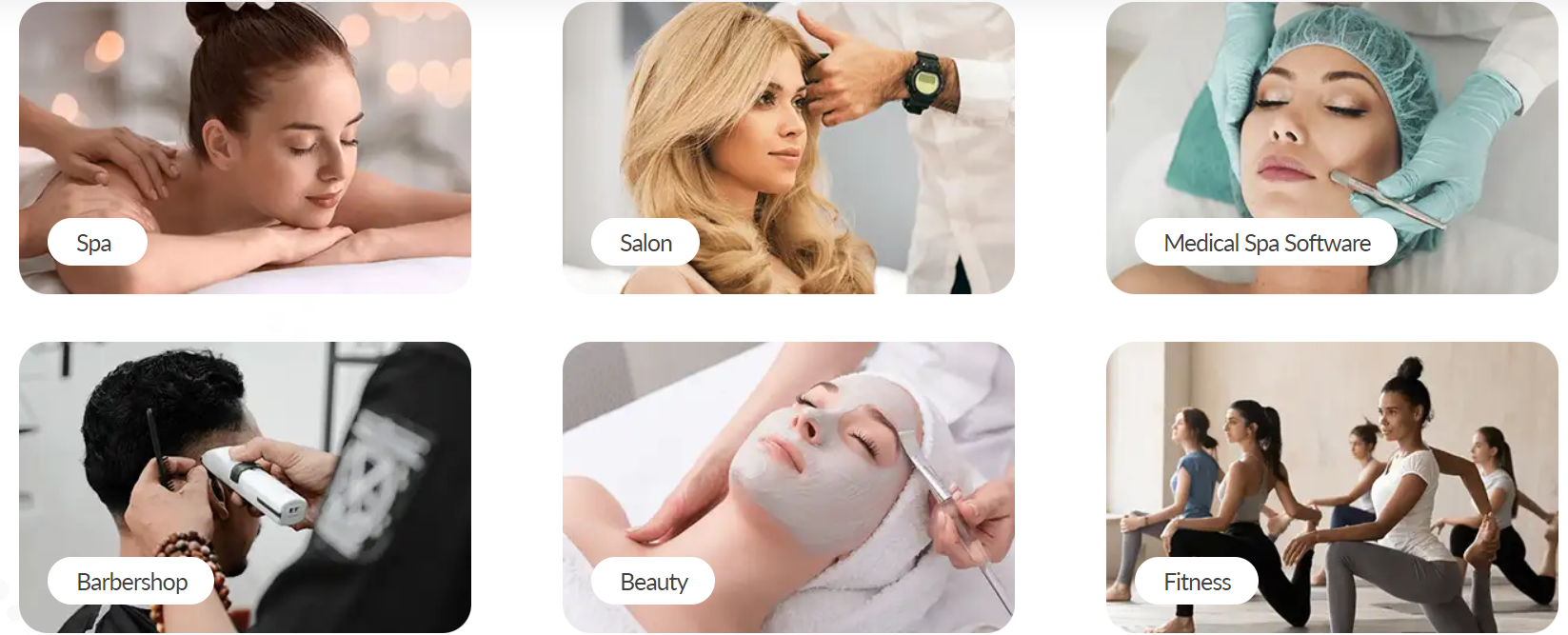
Imagery
Hi-Fidelity Designs